




By Deepti Iyer
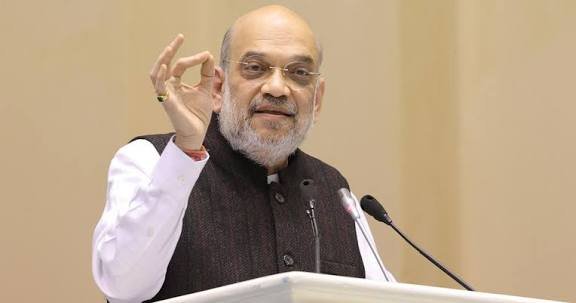
When Home Minister Amit Shah accuses the Congress of falling back into “Jinnah-era appeasement” over Vande Mataram, it lands less like a serious historical argument and more like a ready-made political punchline. Linking the party’s handling of the national song to the Partition itself feels like stretching the past to score points today.Back in 1937, the Congress decided to use only the first two stanzas of Vande Mataram. That wasn’t some weak surrender.
The later parts carried strong religious imagery that could have driven people apart at a moment when the country desperately needed to stay together against the British. The leadership chose unity over rigid purity. It was a practical call to keep the freedom movement broad and inclusive. Calling that “appeasement” ignores the real pressures of the time.Blaming that one decision for Partition is even harder to swallow. Partition came from a mix of the Muslim League’s two-nation idea, British divide-and-rule tactics, rising communal tensions, and failed talks at the last minute.
Reducing all of that to Congress’s choice about a song is just too neat and too convenient.Congress workers and leaders sang Vande Mataram throughout the freedom struggle and long after Independence. The party has never turned its back on the song. Turning every national symbol into a loyalty test only creates more heat when the country could use a little more common ground.Shah’s words may fire up his supporters, but they don’t help the larger conversation. Real respect for Vande Mataram shows up in how we treat one another and how we run the country not in endless historical score-settling. The Congress’s long effort to hold a diverse India together still answers these charges better than any sharp slogan.
