




South Indian families are not waiting for a press note. They are waiting for a name, a voice, a body that can be brought home.
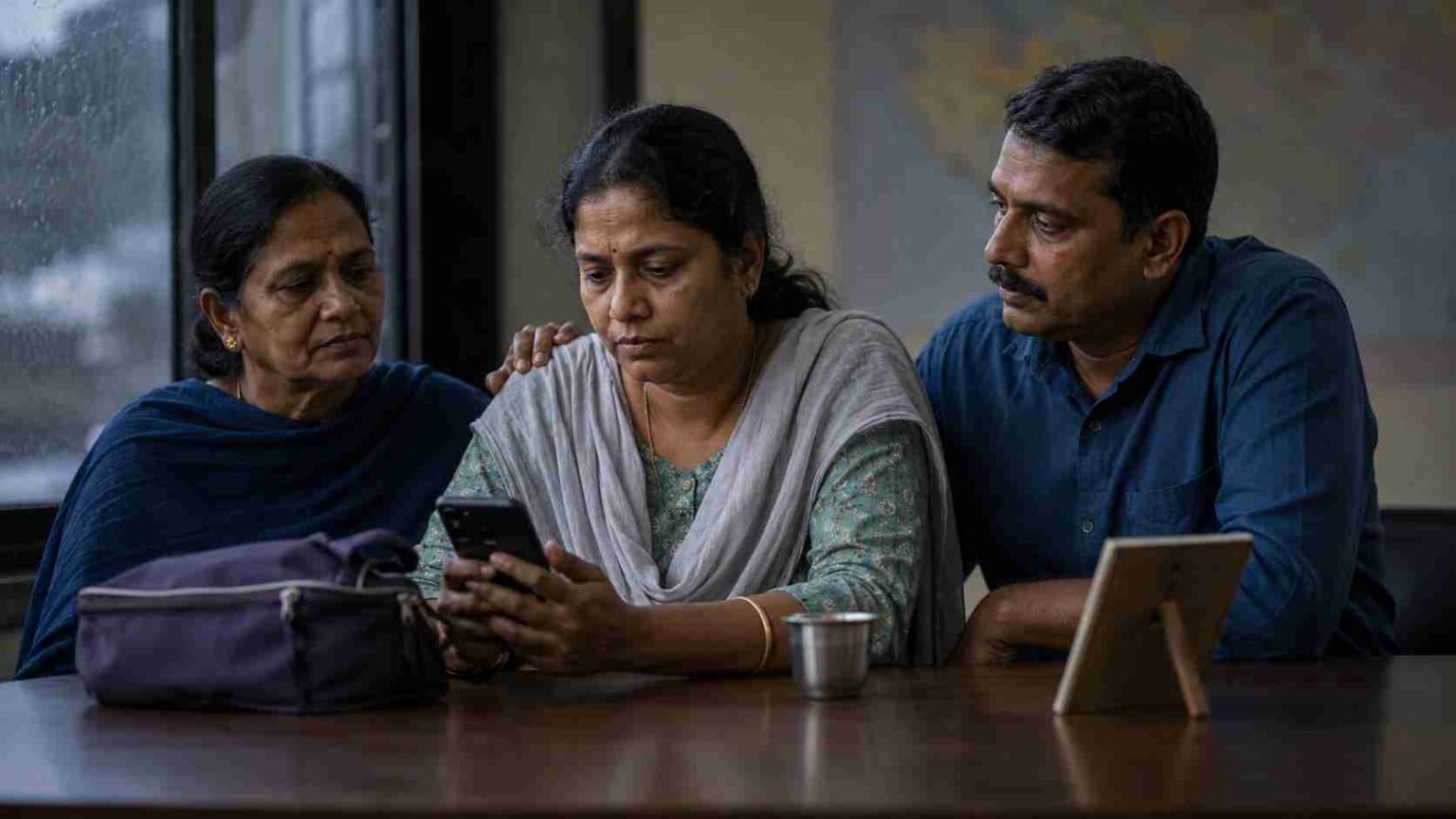
The flash floods in Nepal’s Rasuwa district, near the Tibet border, have already been reduced to a grim tally: hundreds dead, hundreds missing, many of them pilgrims from Tamil Nadu, Kerala, Andhra Pradesh, Telangana and Karnataka. Officials prefer the word “uncontactable.” It sounds tidy. It is not. It means a phone that died in the water. A last location pin that will not move. A wife who still sets out an extra plate because no one has the courage to tell her to stop.
This is not a distant tragedy. These were ordinary southern journeys temple tours, Isha groups, family batches that saved for months to walk in cold air and come back with prasad and photographs. They crossed a border with faith. The river did not honour the passport.
Rescue across two countries is never simple. Roads break. Weather turns. Another government must open the gate. None of that is an excuse for delay that feels like indifference. Tamil Nadu sending ministers and a senior officer is the right instinct. It must be followed by lists published without delay, medical airlifts for the living, and dignified return for the dead. Families should not have to learn the fate of their people from rumours on WhatsApp.
There is a harder question we prefer not to ask. Why do large groups still move into fragile mountain corridors in monsoon weeks with so little public accounting of risk? Faith is not foolishness. But governments and organisers share a duty to warn, track and extract. Pilgrimage should not become a lottery in which the prize is silence.
Numbers will be updated tomorrow. Grief will not. Until every southern family has something firmer than “we are coordinating,” the story is not over. It is only being politely postponed.
