



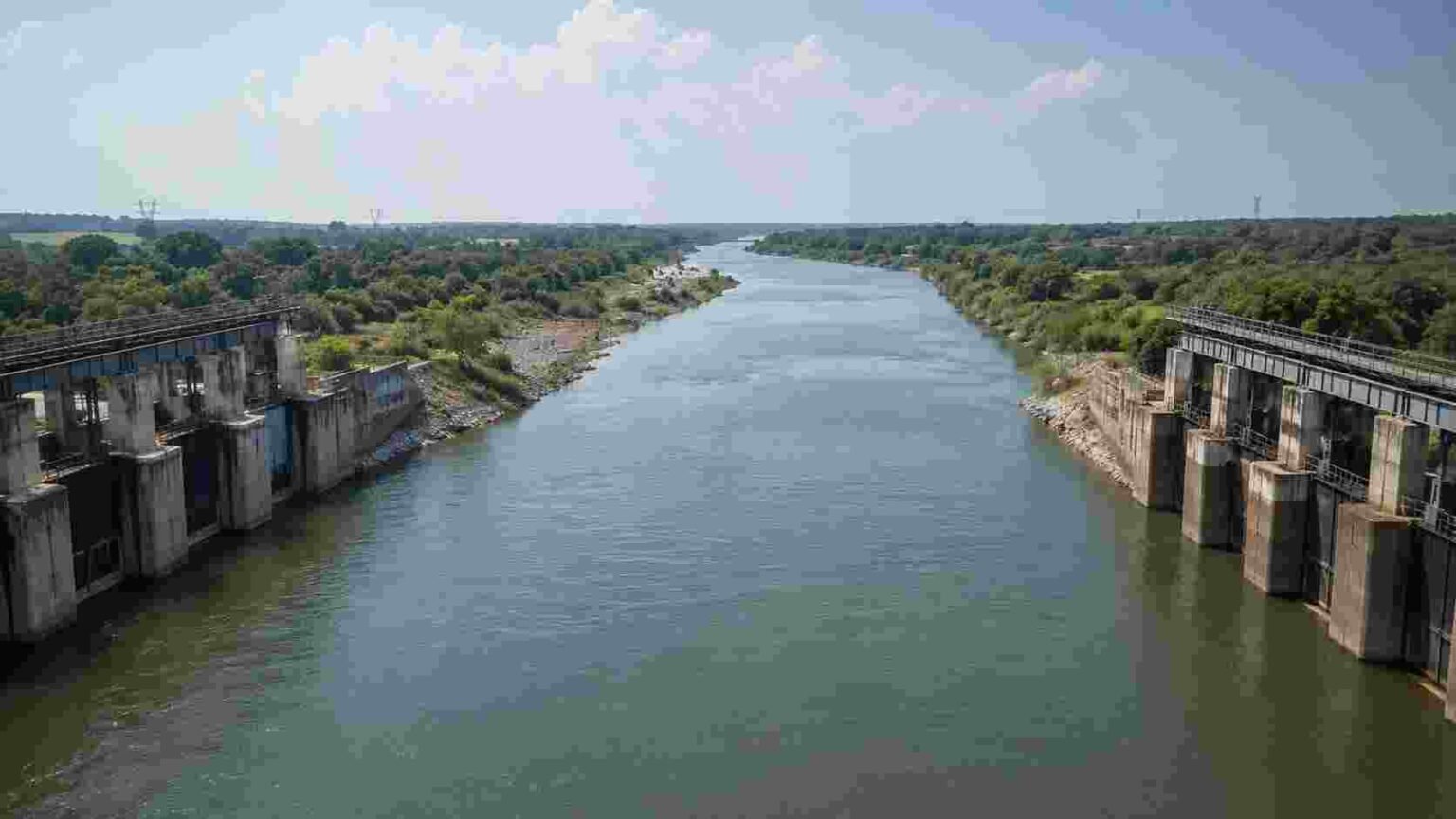

The controversy between Karnataka and Tamil Nadu regarding water from Cauvery River has been often seen as a natural phenomenon involving the farmers but the practice in case of Tungabhadra River Basin proves that there is scope for cooperation when water is seen as a resource and not a tool for politics. The example of farmers in Karnataka and Andhra Pradesh has proved over the years that different states can co-exist around one river when sharing and dialogue prevails.
This paradox leads one to ask an unpleasant question for the Union government and BJP: how has the Cauvery conflict remained politically volatile over the years through many talks, tribunals, judiciary interventions, and institutional frameworks?
The farmers on either side rely on the same river for survival, but politics manages to make an issue of resource sharing turn into a battle of regional identities. Rather than finding a permanent solution to the underlying issues, governments tend to act only in times of crisis when the tanks are running dry or monsoon is failing.
It would be a necessity on the part of the Union government to make sure that the present legal and administrative structures function efficiently and without favoritism in every challenging year for water management.”
Tungabhadra shows that collaboration can happen. What it really takes is the political will. The BJP-led Central Government cannot claim that it stands for collaborative federalism while watching an inter-state water conflict aggravate the already existing distrust among the neighboring states. Cauvery water must be seen as a life-line, and not made into a political conflict which never seems to end. Farmers of both the states require a water policy that is predictable.
