



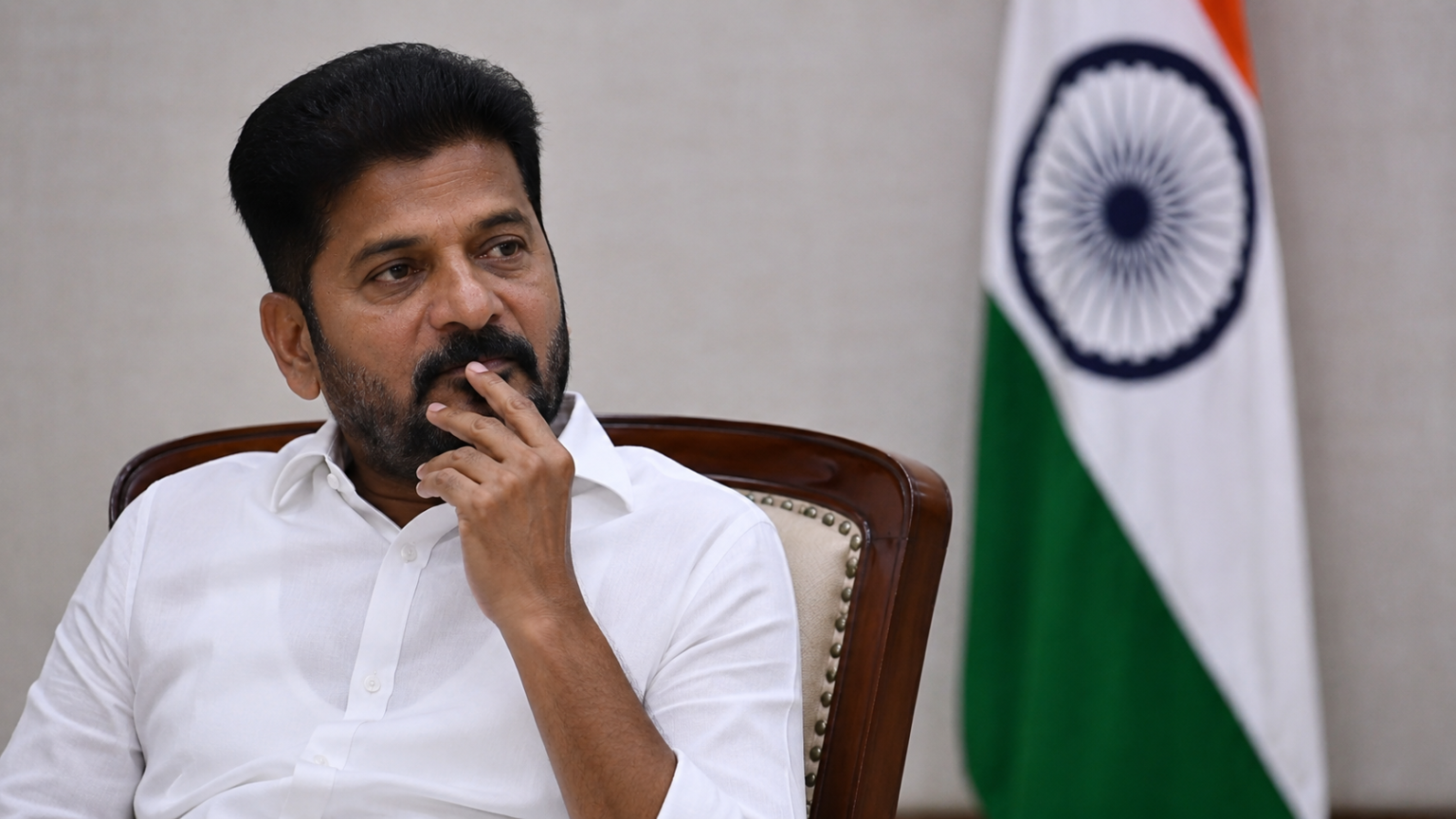

When the Centre denied Telangana Chief Minister Revanth Reddy clearance for his US trip, it did more than cancel a travel plan. It sent a clear message about who gets to speak for India on the world stage.
The official reason was that the proposed programme was “not appropriate” to his office. Sources pointed to a planned interaction with New York City Mayor Zohran Mamdani as one of the sticking points. Reddy was already in the UK promoting educational partnerships for Telangana. The US leg was meant to continue that work—meetings with universities, diaspora groups, and possible investment talks. Instead, he was told to turn back.
This is not just about one chief minister or one mayor. It raises a deeper question of federalism. Chief ministers of non-BJP states have long complained that political clearance from the Ministry of External Affairs is used as a filter. Southern leaders, who govern states that contribute significantly to India’s economy and soft power, often find themselves restricted when they try to engage internationally on behalf of their people.
Mamdani, an Indian-origin politician with his own views, may not fit everyone’s preferred narrative. But foreign policy is not the private property of the central government alone. When a chief minister seeks to attract universities, skills partnerships or investments for his state, that work strengthens India. Blocking it because of political discomfort looks petty.
The optics are particularly poor for the South. Telangana, Tamil Nadu, Karnataka and others have repeatedly argued that their economic weight is not matched by political voice in Delhi. Denying a sitting CM the chance to represent his state abroad only deepens that sense of exclusion.
India’s strength has always been its diversity. When the Centre decides which leaders can speak to the world and which cannot, it weakens the very idea of cooperative federalism. Reddy’s cancelled trip is a small episode. The message it carries is much larger.
